Use cases
Wherever someone stands
in front of someone else.
TapProof does three things: it accepts a card on an ordinary phone, it proves the device and the person holding it are who they claim to be, and it produces a signed record of what happened. Every business below is a different answer to the same question — who took this money, and where were they standing?


Acceptance anywhere
A trusted operator

Proof it happened
Where it fits
Nine situations, one technology
Sorted by how directly it removes a cost you already feel — not by market size.
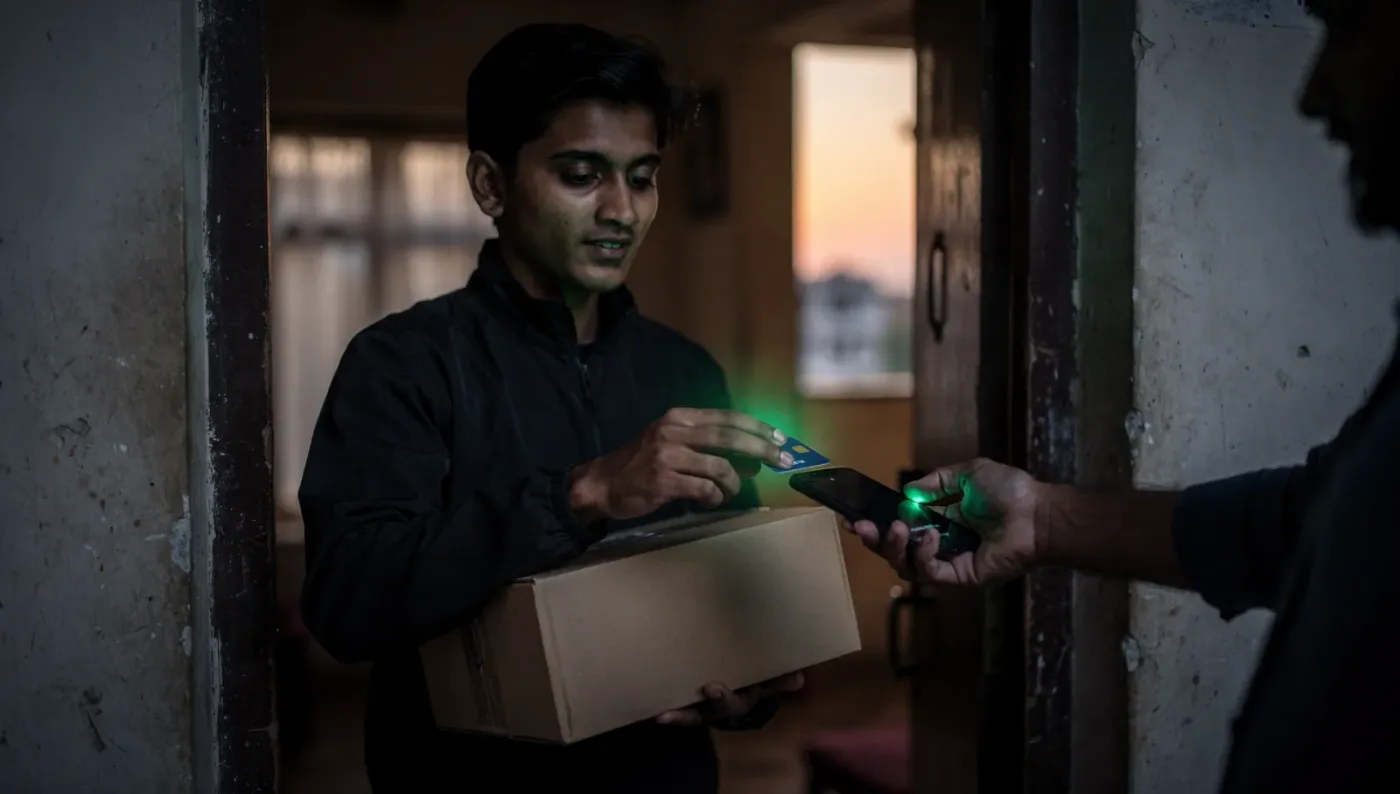
Cash on delivery, without the cash
- The problem
- Riders carry float, reconcile at the end of the day, and a percentage never arrives. Cash also caps order value — nobody sends a rider out against a high-value COD parcel.
- What TapProof changes
- A tap at the doorstep clears the order before the parcel leaves the rider's hand, on a phone the rider already carries.
- The proof
- Handover is stamped with time, location and who took the payment, which settles the disputes that otherwise become refunds.
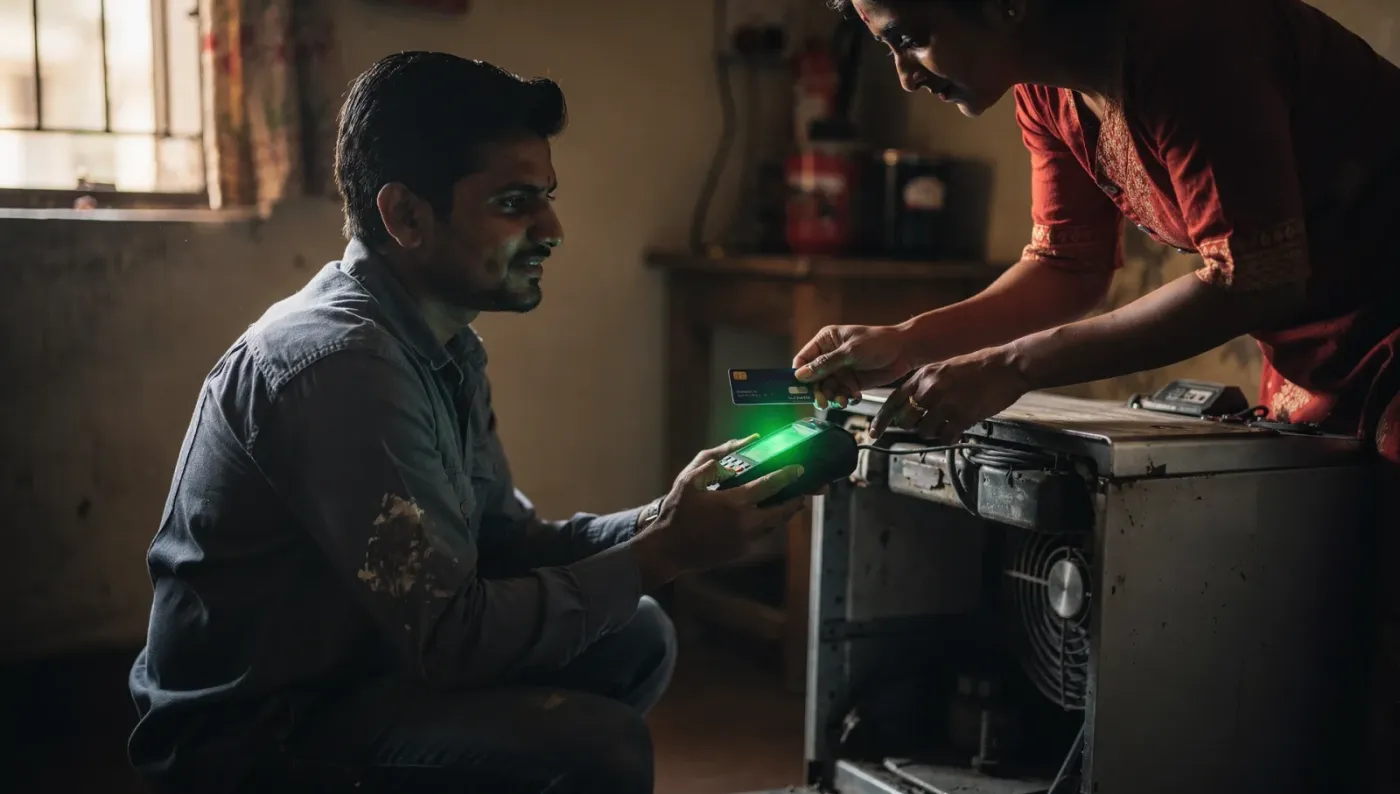
Paid on completion, at the door
- The problem
- Technicians finish a job and then chase payment through a link, an app or the office. Every hour of delay is a collection risk and a support ticket.
- What TapProof changes
- Payment is taken while the technician is still standing there, on any card, with no terminal to issue or lose.
- The proof
- The job, the photograph of the work and the payment become one record, so a chargeback has an answer attached to it.
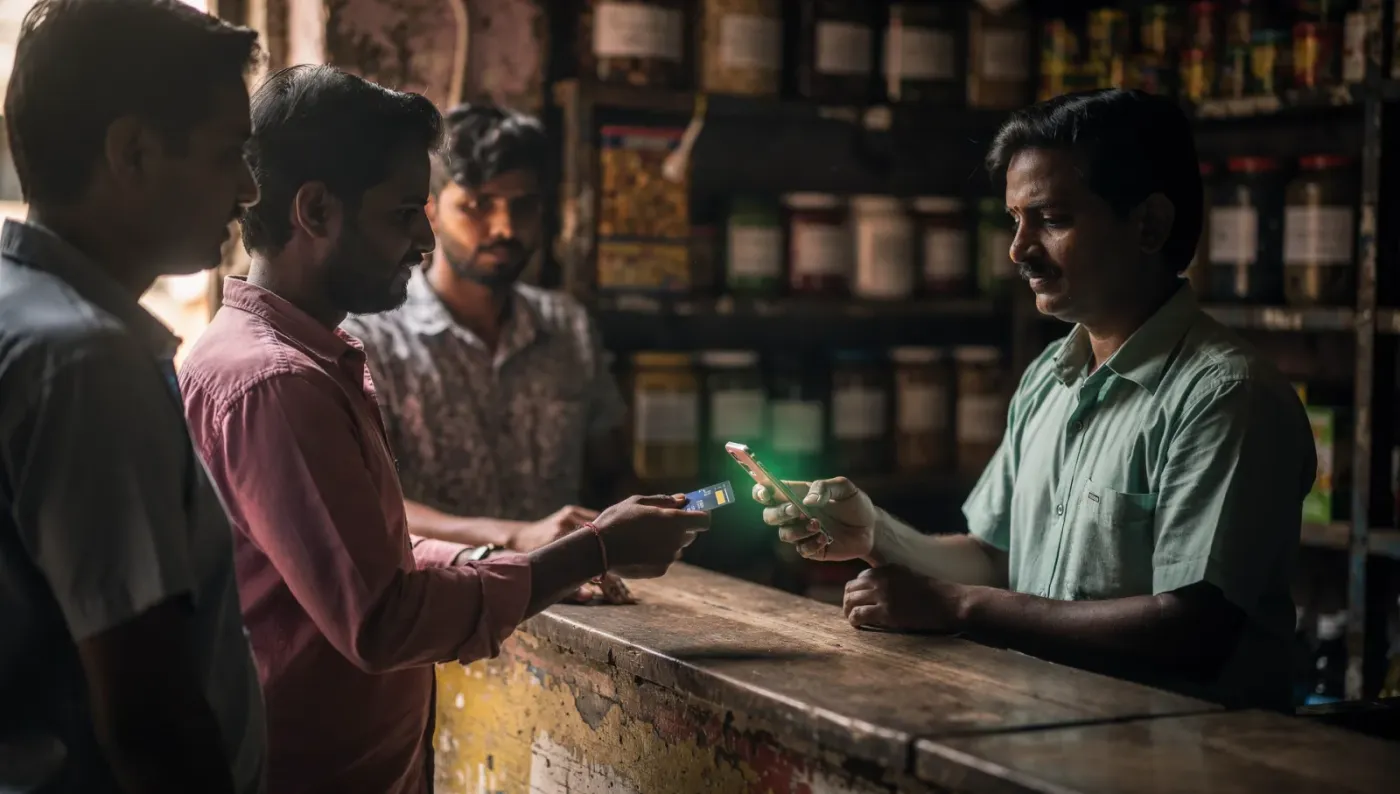
Card acceptance without a rental
- The problem
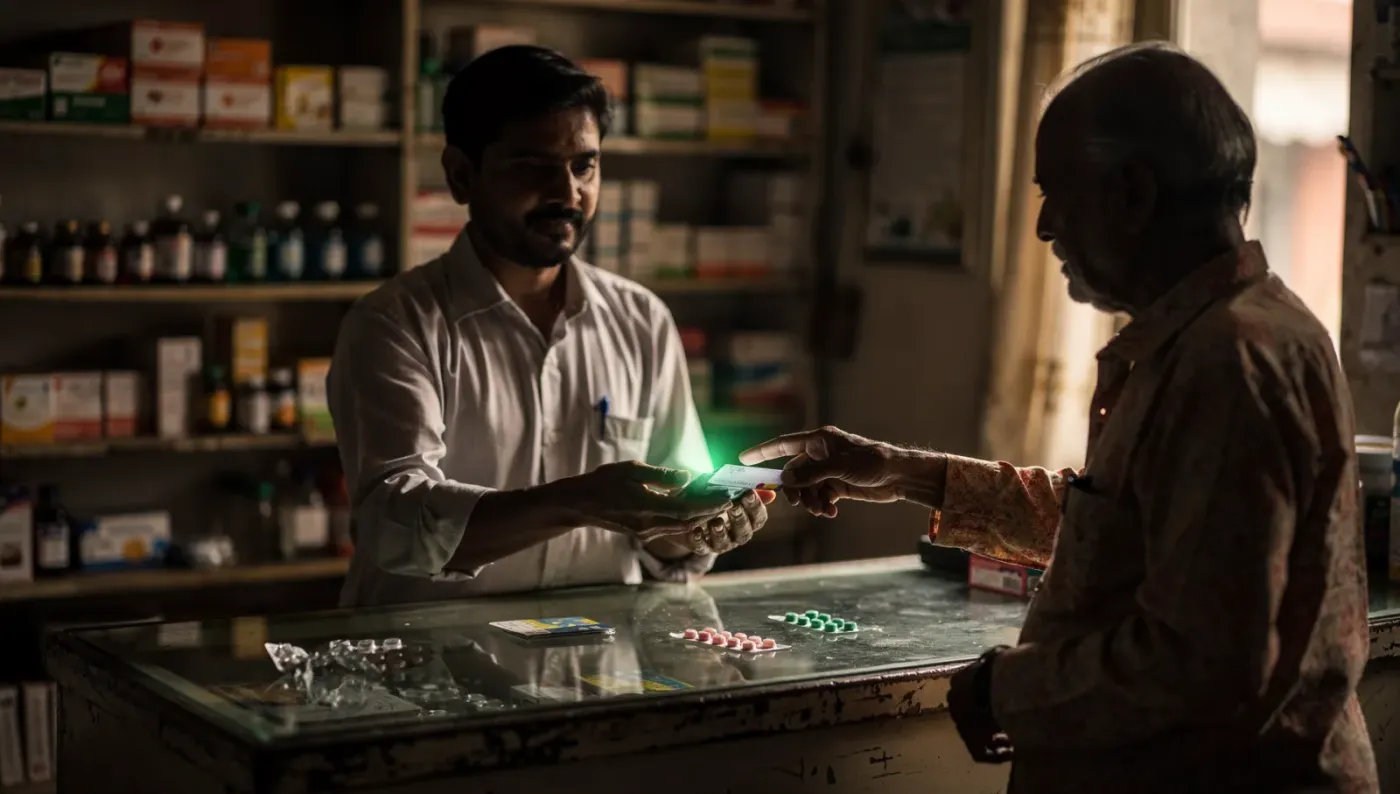
- A terminal means a deposit, a monthly rental and a service call when it fails. For a counter doing modest card volume the maths never works, so the shop stays cash and UPI only.
- What TapProof changes
- The phone behind the counter becomes the card machine. Nothing to buy, nothing to rent, nothing to return.
- The proof
- Every sale is attributed to a verified operator, which matters the moment more than one person works the counter.
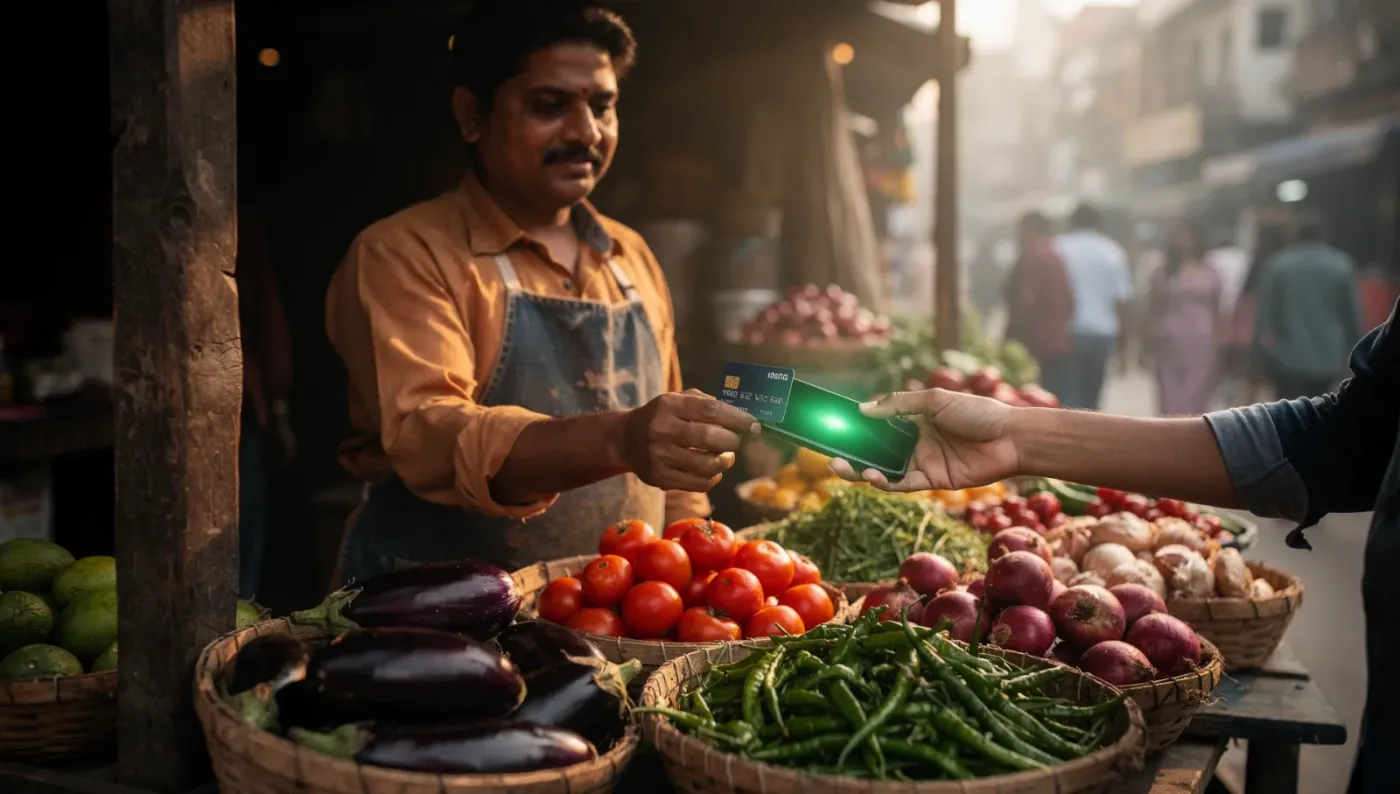
A terminal that costs nothing to deploy
- The problem
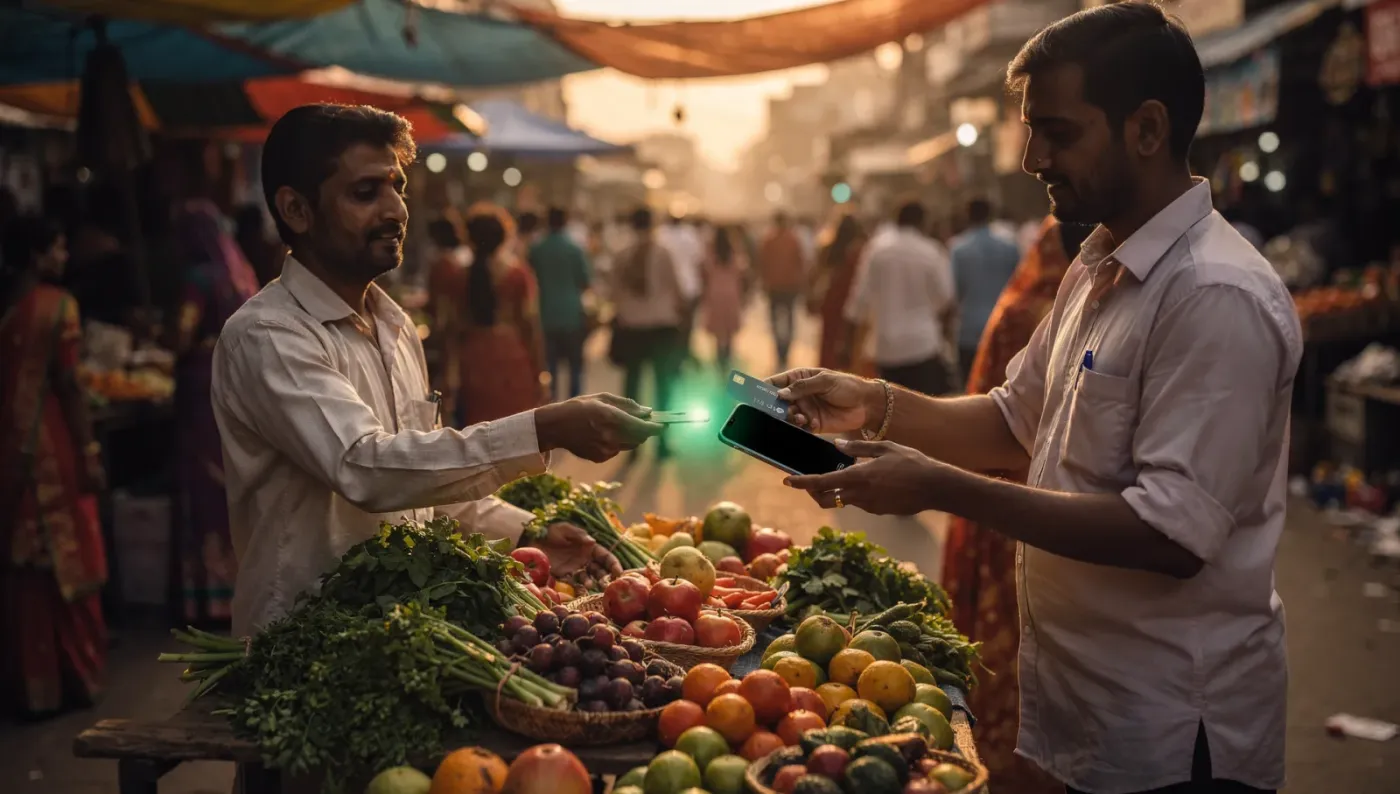
- Market traders, pop-ups, event vendors and mobile kitchens cannot justify hardware, so they turn away every customer without cash.
- What TapProof changes
- Deployment is an app install. A stall can start taking cards the morning it decides to.
- The proof
- Acceptance is tied to a verified operator, so an aggregator can extend acceptance without extending hardware.
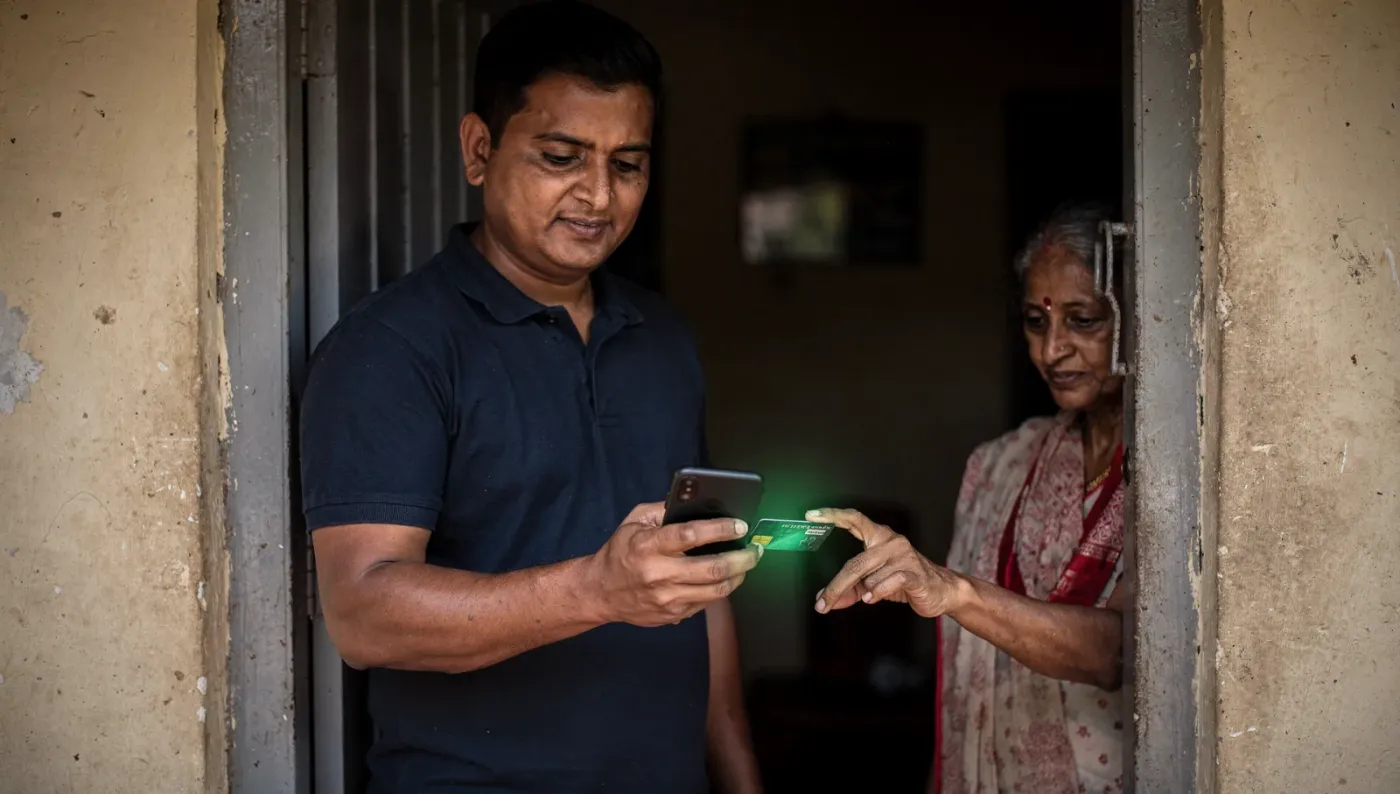
Renewal collected before the policy lapses
- The problem
- Lapse is a field problem, not a product problem. The customer intends to pay and the moment passes.
- What TapProof changes
- The agent closes the renewal inside the conversation instead of leaving a link behind.
- The proof
- Who visited, when, what was explained and what was collected — the audit trail a conduct regulator asks for.
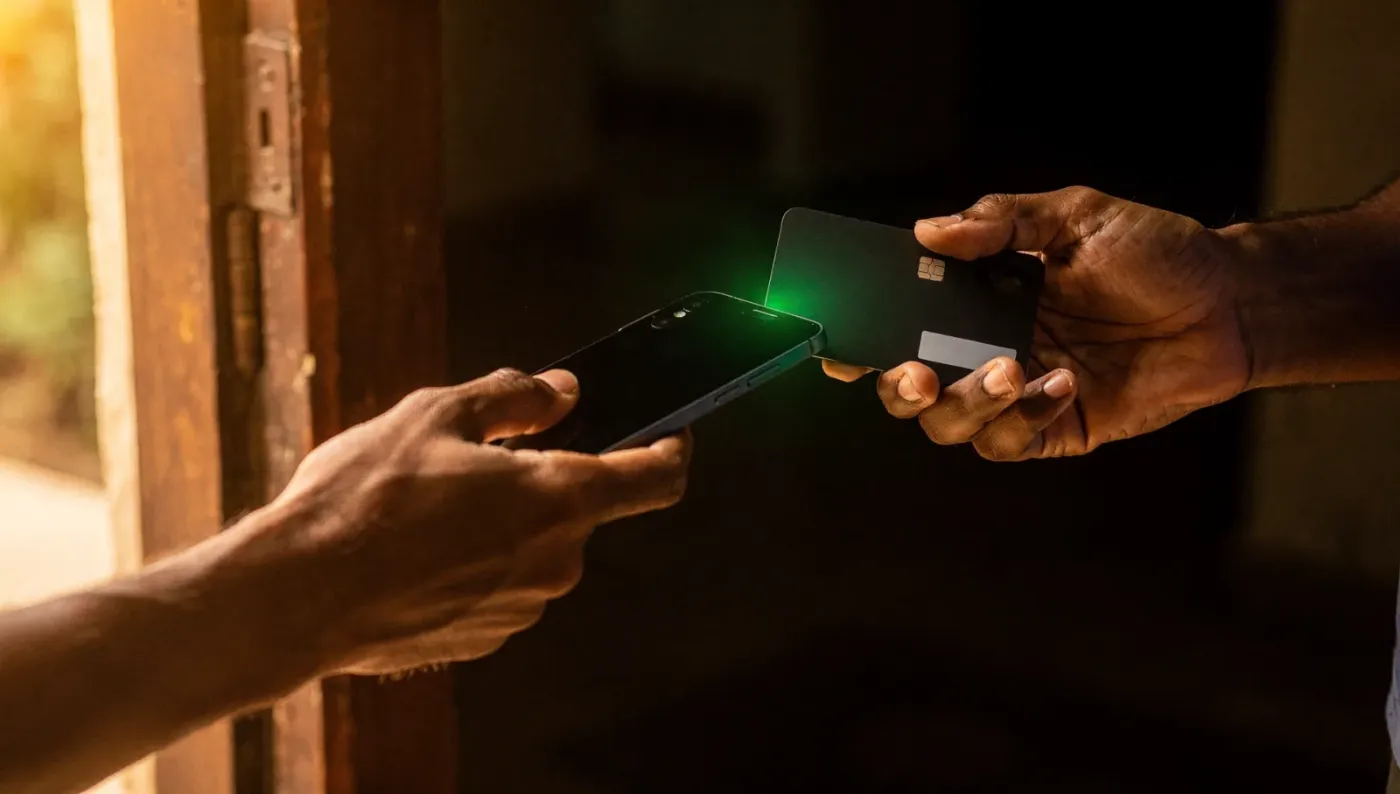
Card acceptance where UPI cannot reach
- The problem
- A customer with no bank balance but live credit headroom is uncollectable digitally today. UPI carries RuPay credit only.
- What TapProof changes
- A card tap reaches the credit line that UPI cannot, on the agent's own phone.
- The proof
- From 1 January 2027, RBI conduct rules require certified agents, prior notice and a strict contact window. TapProof enforces all three and records every refusal.
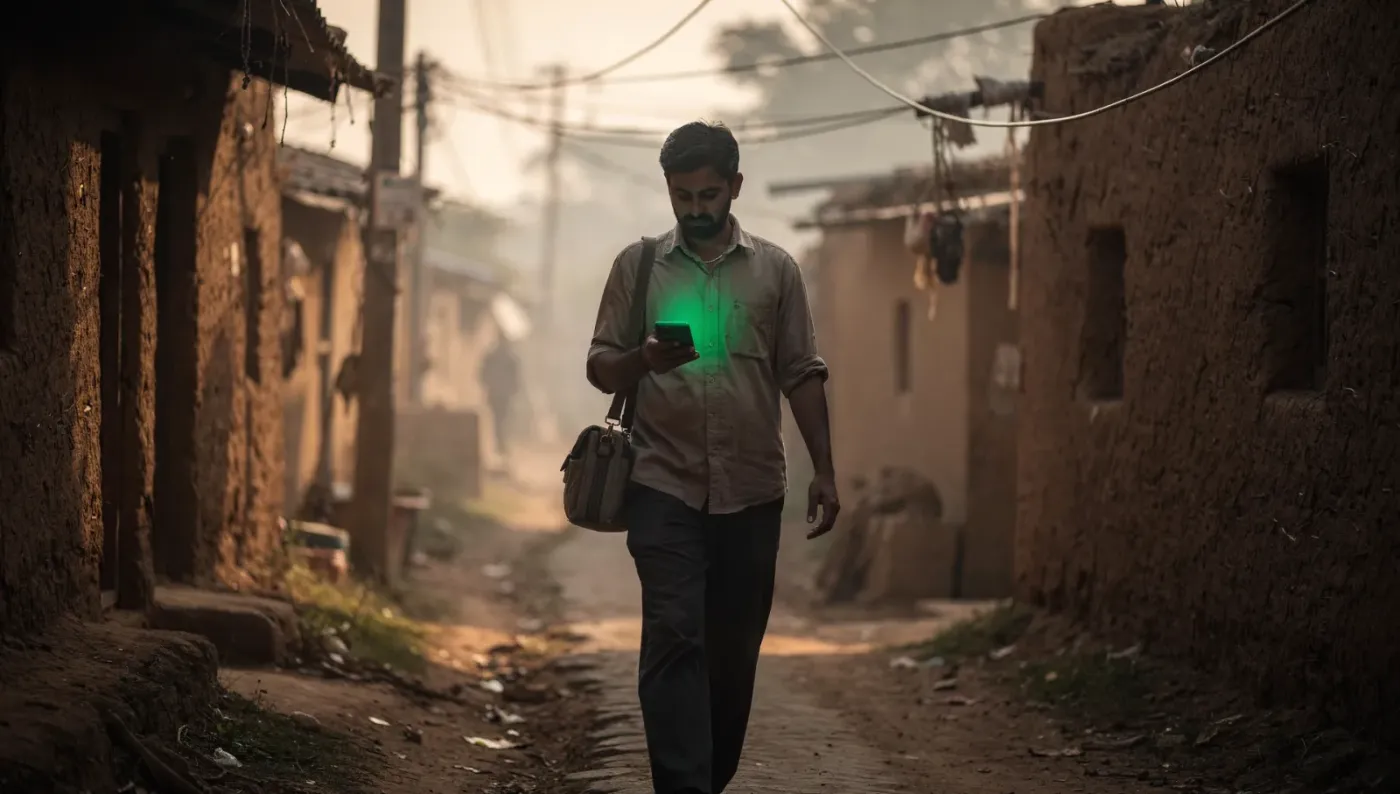
Meter reader and bill collector, one visit
- The problem
- Field staff already walk the route. Collection happens separately, later, and usually in cash.
- What TapProof changes
- The reading and the payment become the same visit, on the same device.
- The proof
- Presence at the premises is evidenced, which matters when a reading is disputed.
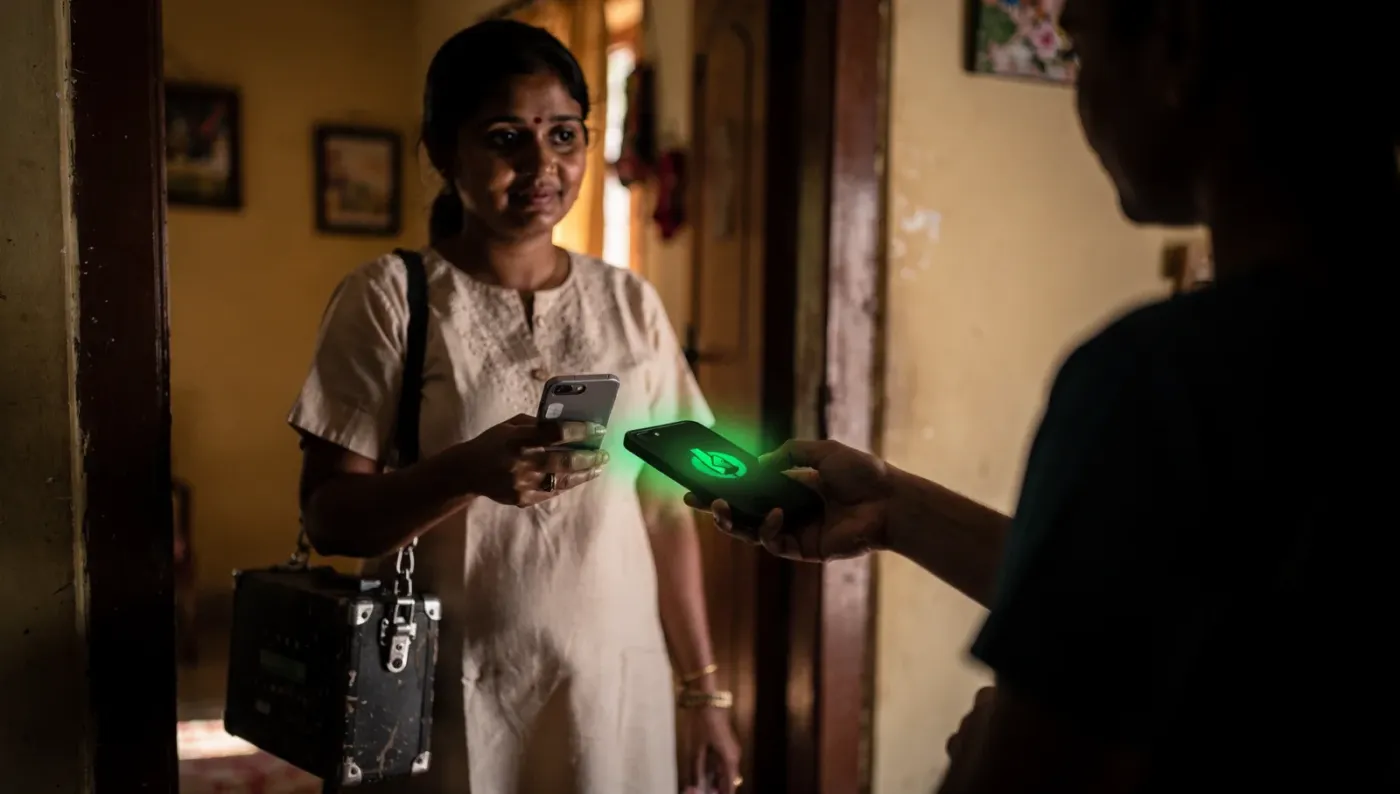
Sample collected, payment settled
- The problem
- Home diagnostics and home care run on prepaid links or cash, and both leak.
- What TapProof changes
- The attendant takes payment at the door on the same phone that logs the visit.
- The proof
- Visit, identity and payment are bound together, which is what a home-care audit actually needs.
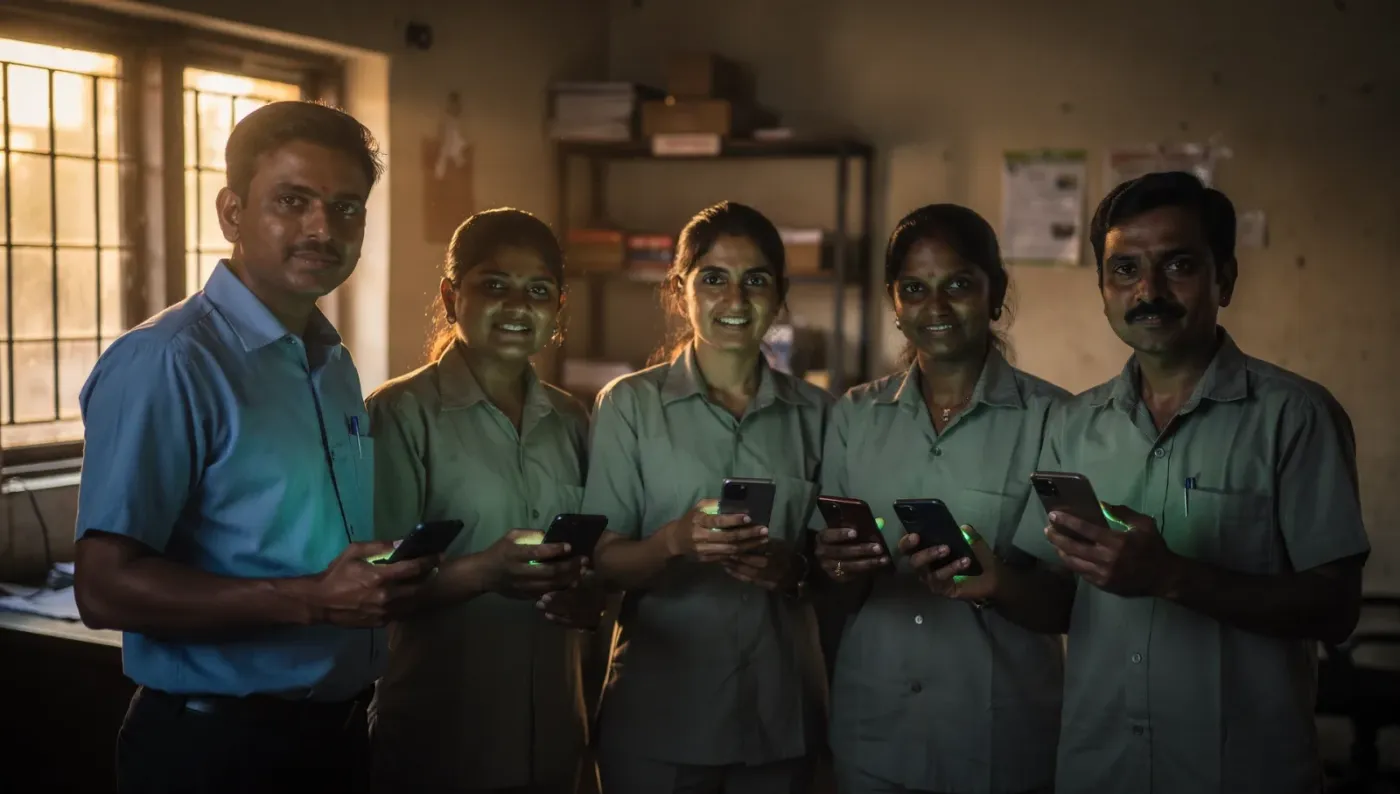
Group collection without a cash box
- The problem
- Centre meetings run on cash, counted in the open and carried back by one person. It is the largest operational risk in the model.
- What TapProof changes
- Any NFC phone in the field becomes acceptance. No terminal to buy, charge or replace.
- The proof
- Every collection is attributed to a named, verified operator at a known location and time.
The set
What this actually looks like
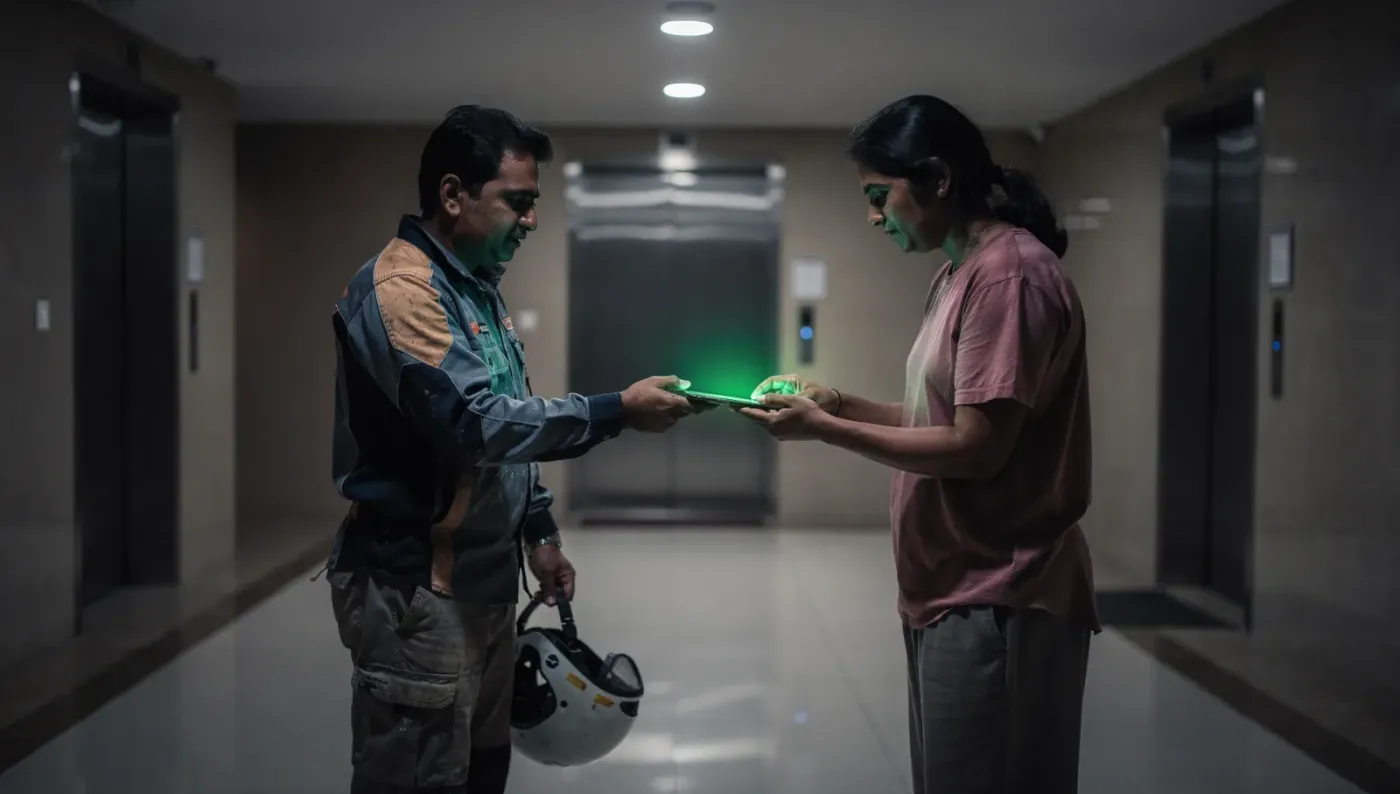
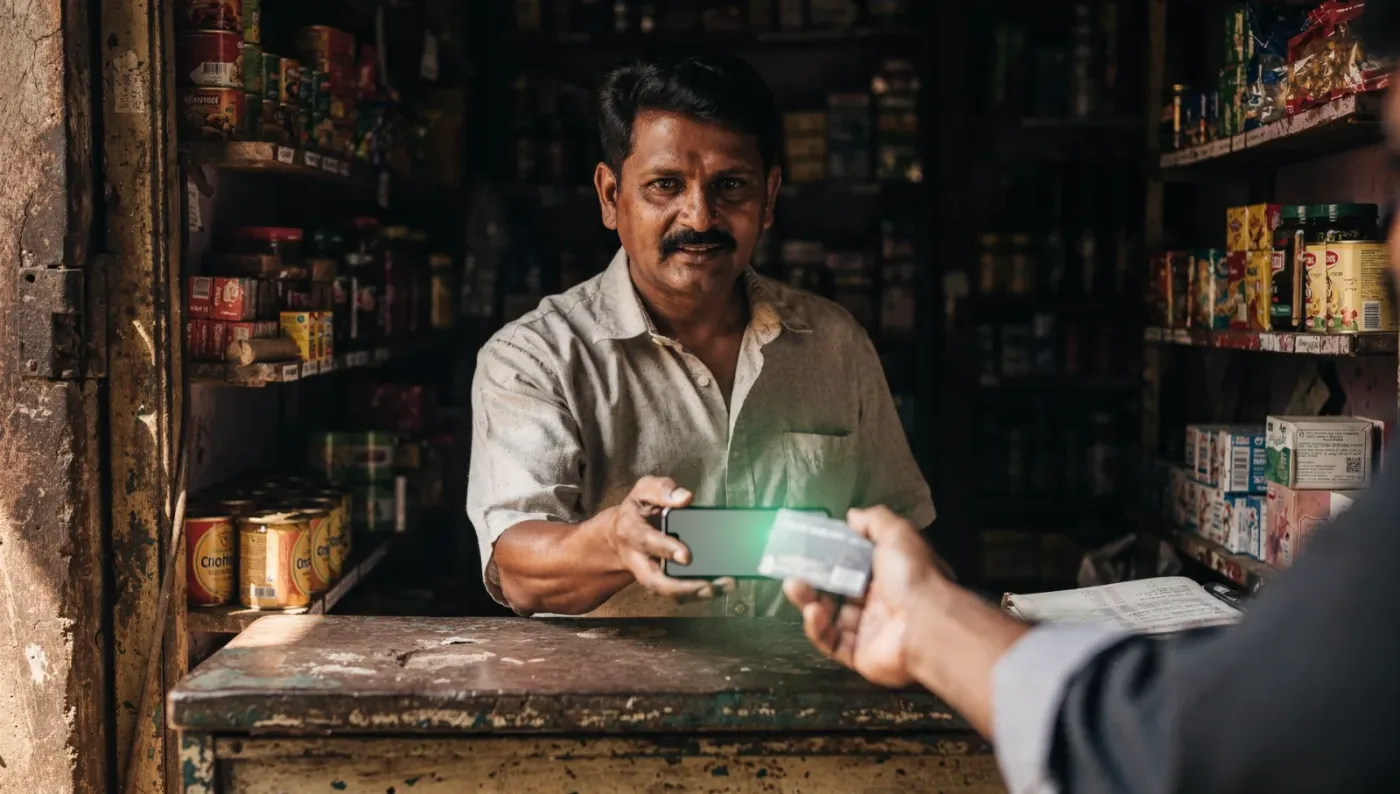
Different trades, same gesture. A phone held out, a card brought to meet it, and a record written the moment they touch.

The pattern
If it happens away from a counter, it fits
The common thread is not an industry. It is that the transaction happens somewhere a terminal was never going to be — a doorstep, a kitchen, a field, a market stall, a stairwell.
Fixed retail already has acceptance and does not need us. The interesting problem is everywhere a person, a phone and a card meet without a counter between them — and where afterwards somebody needs to know it really happened.