For banks & payment aggregators
We bring you merchants.
You keep the licence.
TapProof acquires businesses that need card acceptance away from a counter, qualifies them, and hands you a file ready to underwrite. The acceptance then runs on our technology, under your authorisation. We do not hold the merchant contract and never touch settlement.

The proposition
Distribution and technology, in one partner
Most technology vendors ask you to bring the merchants. Most distribution partners ask you to bring the technology. This is both halves.
Built and running today
- Qualified merchant flowBusinesses with people in the field — delivery fleets, service networks, agent forces, roaming trade. Segments a branch-led channel rarely reaches.
- A complete file, first timeWe collect, check and complete the merchant's documents before they reach you. Your team receives something ready to underwrite, not a lead.
- Acceptance technologyAndroid SDK and app, device attestation and monitoring, the certified kernel bound behind a swappable interface.
- A signed evidence streamEvery transaction with the operator, device, place and time attached, signed and sequenced into your systems.
- Device fleet managementEnrolment, qualification, heartbeat monitoring and remote revocation across the merchant's handsets.
- No competition for your relationshipWe never hold the merchant contract, never take a share of MDR, and never appear on a cardholder's statement.
The reason this conversation exists
- Acquiring sponsorshipUnder your PA-P or bank authorisation, so merchants we bring can be onboarded and go live.
- A card-present endpointPlus joint EMV L3 certification with your switch, per scheme, including NPCI C-flow for RuPay.
- MCC guidance by categoryWhich merchant category codes your issuers accept for the sectors we serve. We want to test this at ₹100 across five issuers before anything is designed around it.
- Onboarding throughputCKYCR onboarding and contracting for the files we route to you, at a pace that matches field rollout.
- Settlement direct to the merchantWe will not hold funds, net a fee, or take a share out of the flow.
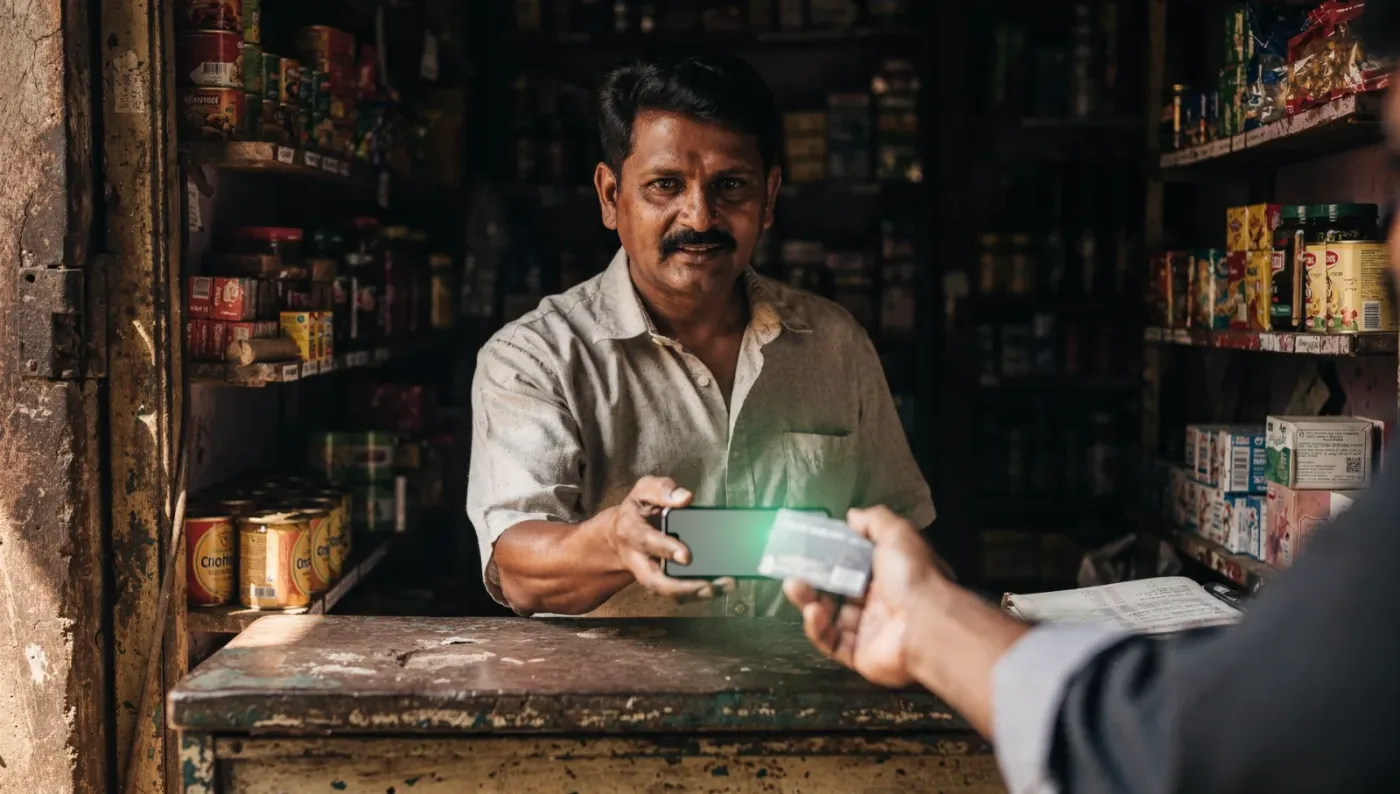
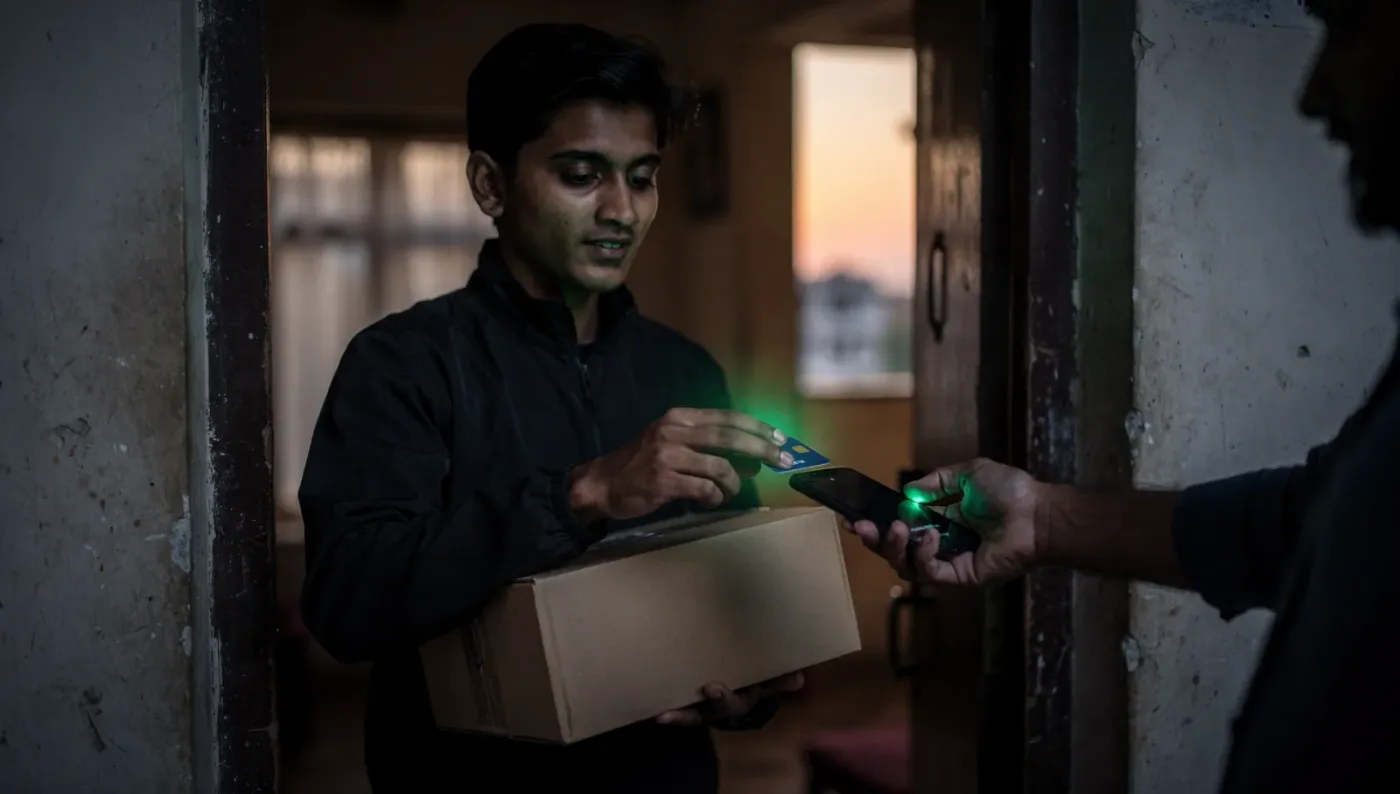

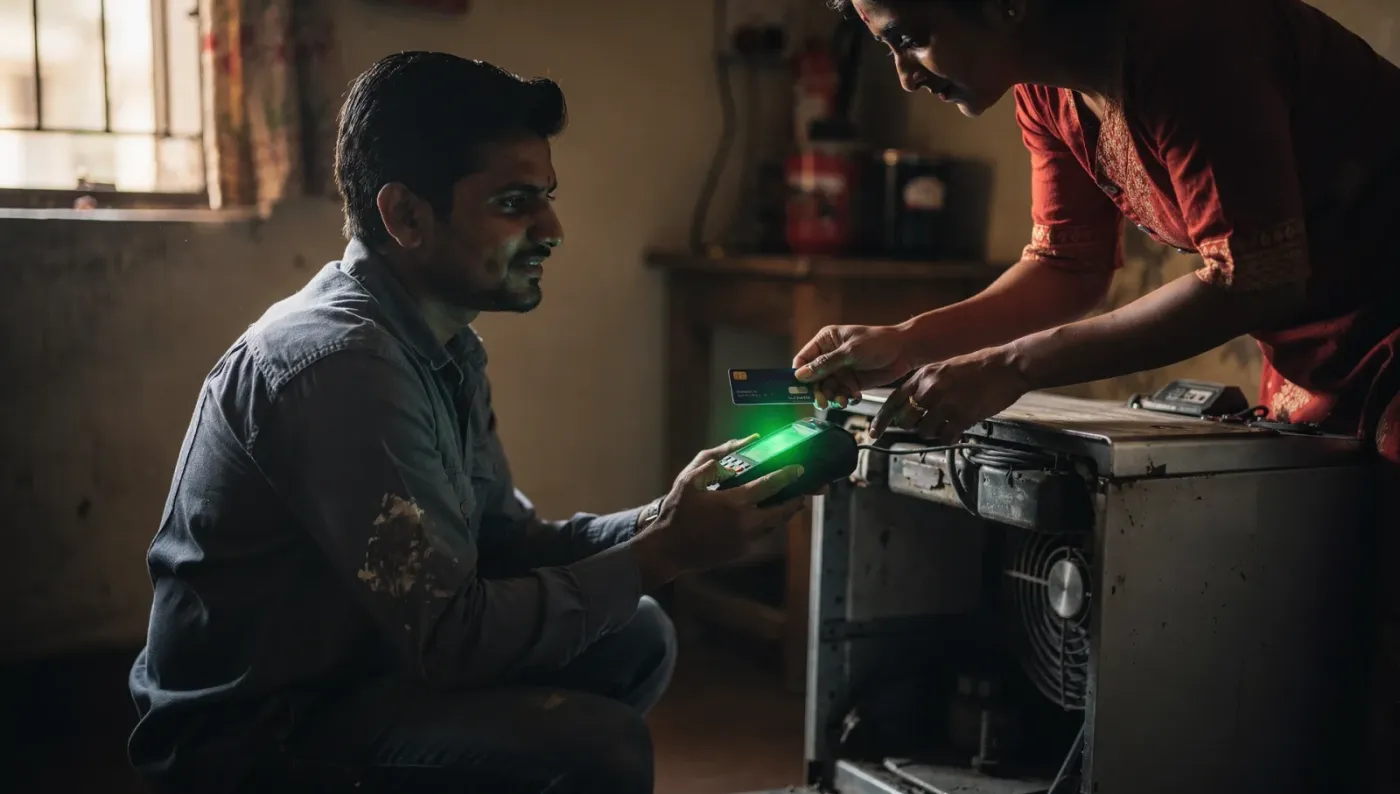
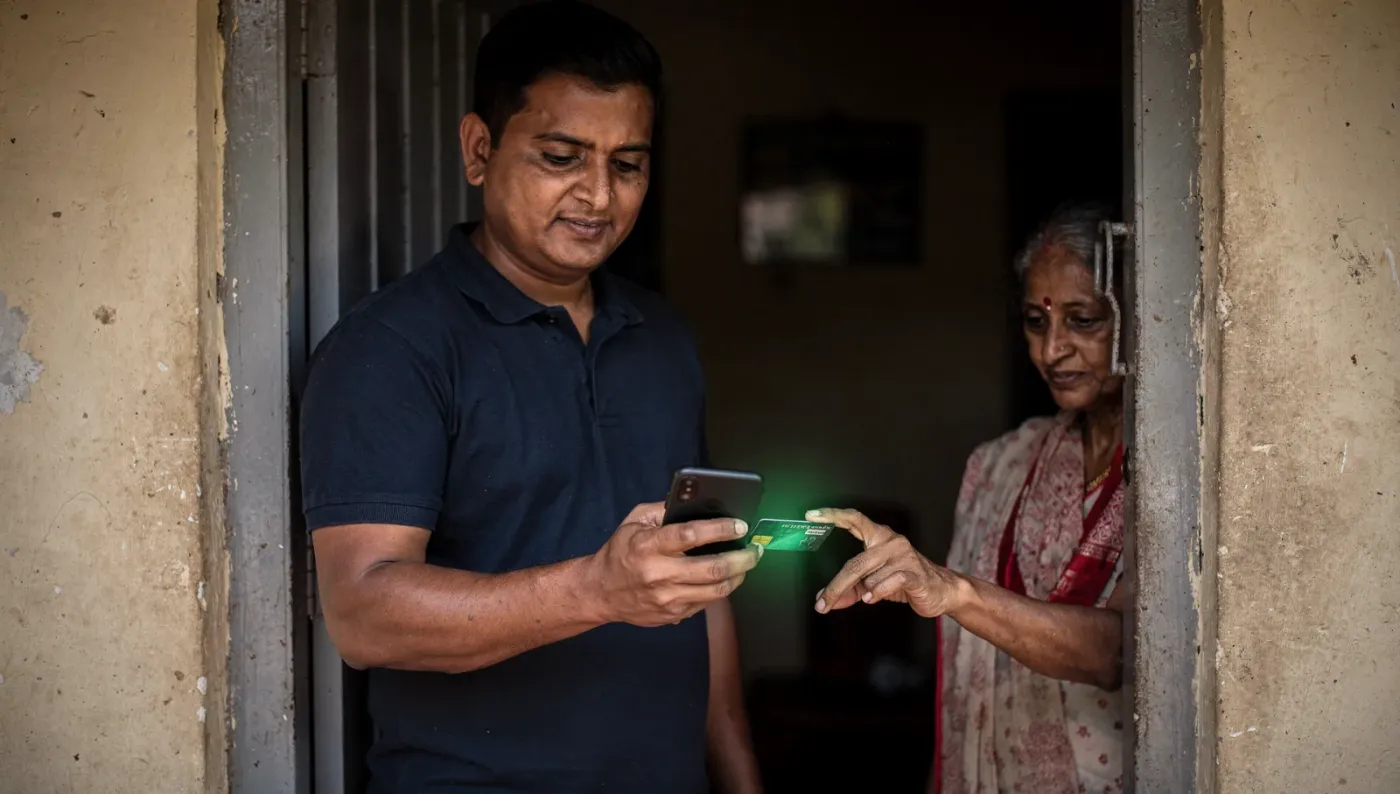

The merchants we bring are the ones a branch-led channel rarely reaches: distributed, often seasonal, with no fixed counter and no appetite for a terminal rental.
The boundary
Why this does not create a licensing problem for you
Under the RBI Payment Aggregator Directions, 2025, aggregating transactions where the acceptance device and the payment instrument are physically proximate requires PA-P authorisation. TapProof does not do that, and the architecture makes it hard to drift into.
No fund flow
No merchant contract
Never acquirer of record

Distribution
Acceptance reaches places a terminal fleet never will
Because there is nothing to ship. Coverage follows the people you already employ.
Commercials
How we get paid — and how we do not
The wrong revenue model would quietly turn us into an aggregator, which is a licensing problem for both of us. So the model is deliberately dull.

You invoice the merchant. We invoice you.

We do not touch the flow
What arrives on your desk
Complete the first time
We collect, check and complete the merchant's documents before they reach you. Your onboarding team receives something it can decide on rather than something it has to chase.
That step is the whole reason this partnership is worth having. Getting a distributed, non-counter merchant through onboarding is normally weeks of back-and-forth that neither of us is paid for.

A file ready to underwrite, not a lead
Integration status
Adapters already written
Not aspirational. All three signature schemes are implemented and unit-tested against their documented field orders.